
Tig / Filler Wire
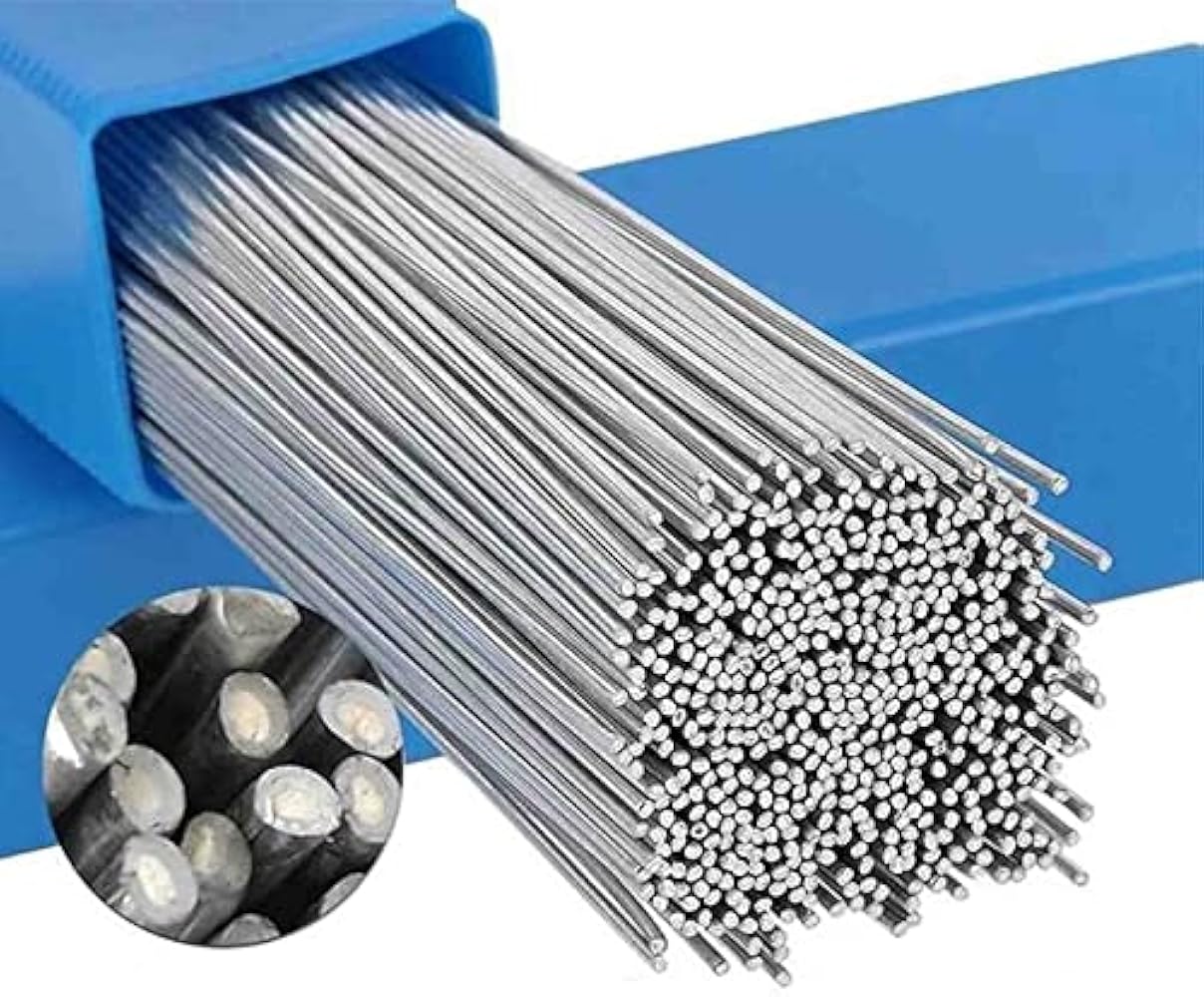
Filler wire, also known as filler metal or welding wire, is a consumable material used in joining metal pieces, particularly in welding, brazing, and soldering. It is usually in the form of a thin rod or wire, compatible with the metals being joined, and helps to fill the gap between the pieces, adding strength and improving the joint's properties.
Here's a more detailed explanation:
Purpose and Function:
-
Adding Strength:
It strengthens the weld or joint, enhancing its overall strength and mechanical properties.
-
Protecting Against Corrosion:
Filler wire can protect against corrosion by filling any gaps or imperfections in the joint, preventing the ingress of moisture or corrosive agents.
-
Improving Heat Transfer:
It can also help to improve heat transfer, making the welding process more efficient.
-
Alloying:
Filler wires can introduce specific alloying elements to the weld, which can improve the weld's resistance to cracking or corrosion.
-
Filling the Gap:
Filler wire provides additional material to fill the gap between the metal pieces being joined, creating a stronger and more durable joint.
Types of Filler Wire:
- Solid Wire: Made from a single alloy, providing a consistent composition.
- Metal-Core Wire: Contains multiple metals within the core, offering enhanced weld strength and properties.
- Stainless Steel Filler Wire: Specifically designed for welding stainless steel, providing excellent corrosion resistance.
- Carbon Steel Filler Wire: Common for general-purpose welding applications.
How to Choose the Right Filler Wire:
-
Base Metal:
The type of metal being welded (e.g., steel, aluminum, stainless steel) dictates the filler wire's composition.
-
Welding Process:
Different welding processes (e.g., TIG, MIG) may require specific types of filler wire.
-
Joint Design:
The type of joint being welded (e.g., butt joint, lap joint) can influence the choice of filler wire.
-
Welding Position:
The position in which the welding is performed (e.g., flat, overhead) can affect the selection of filler wire.
-
Application:
The intended use of the welded joint (e.g., structural, decorative) can impact the required properties of the filler wire.